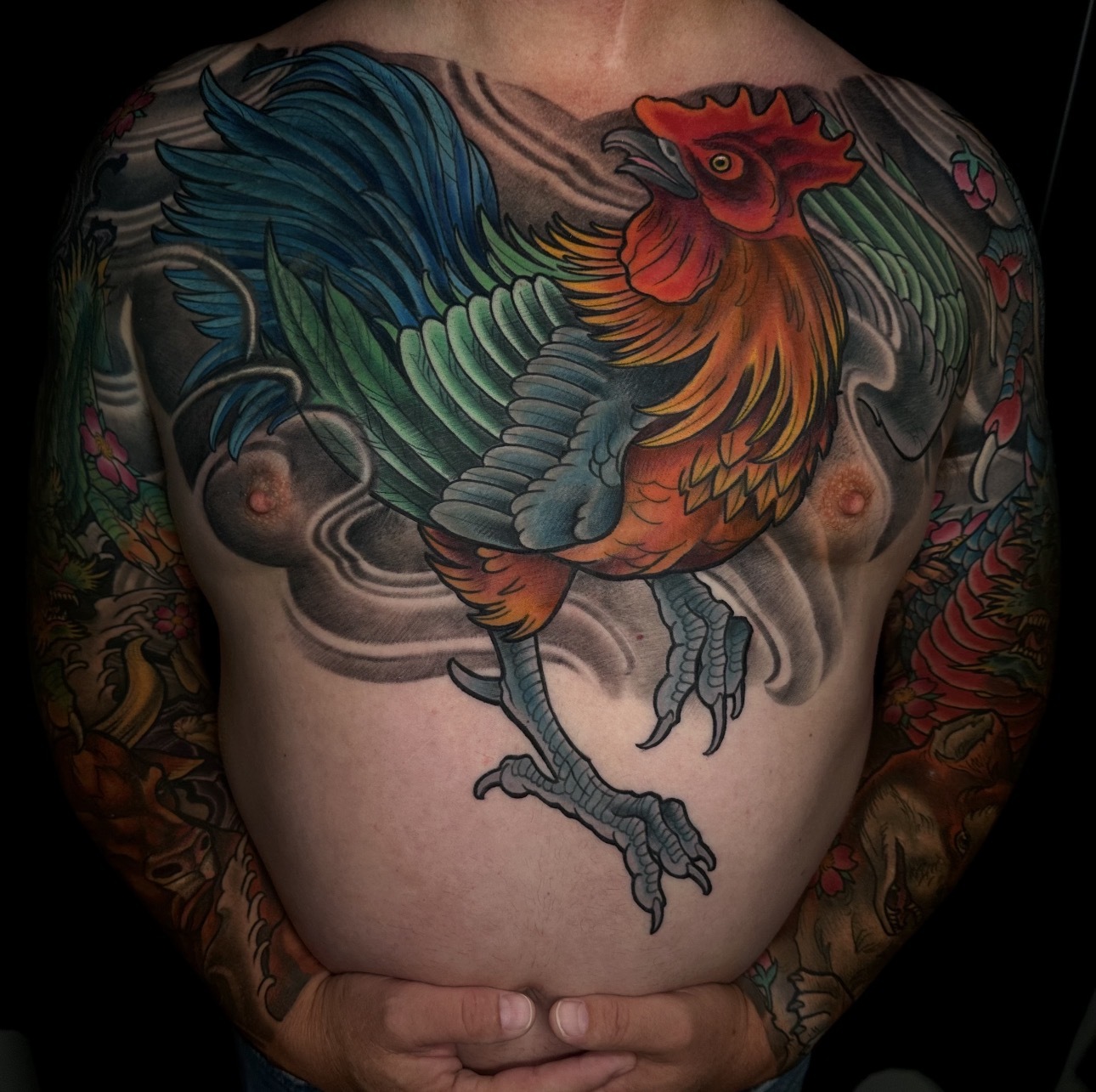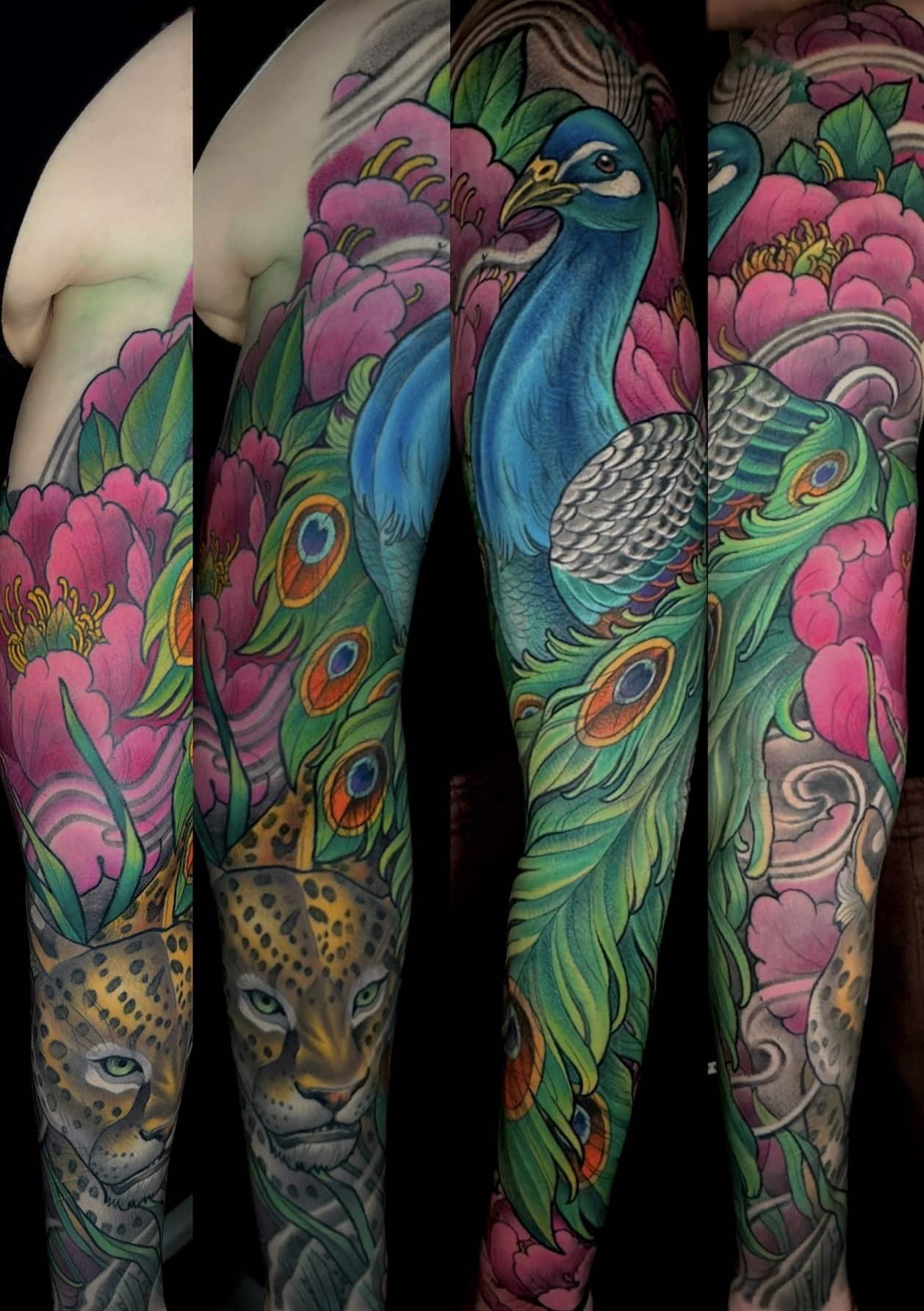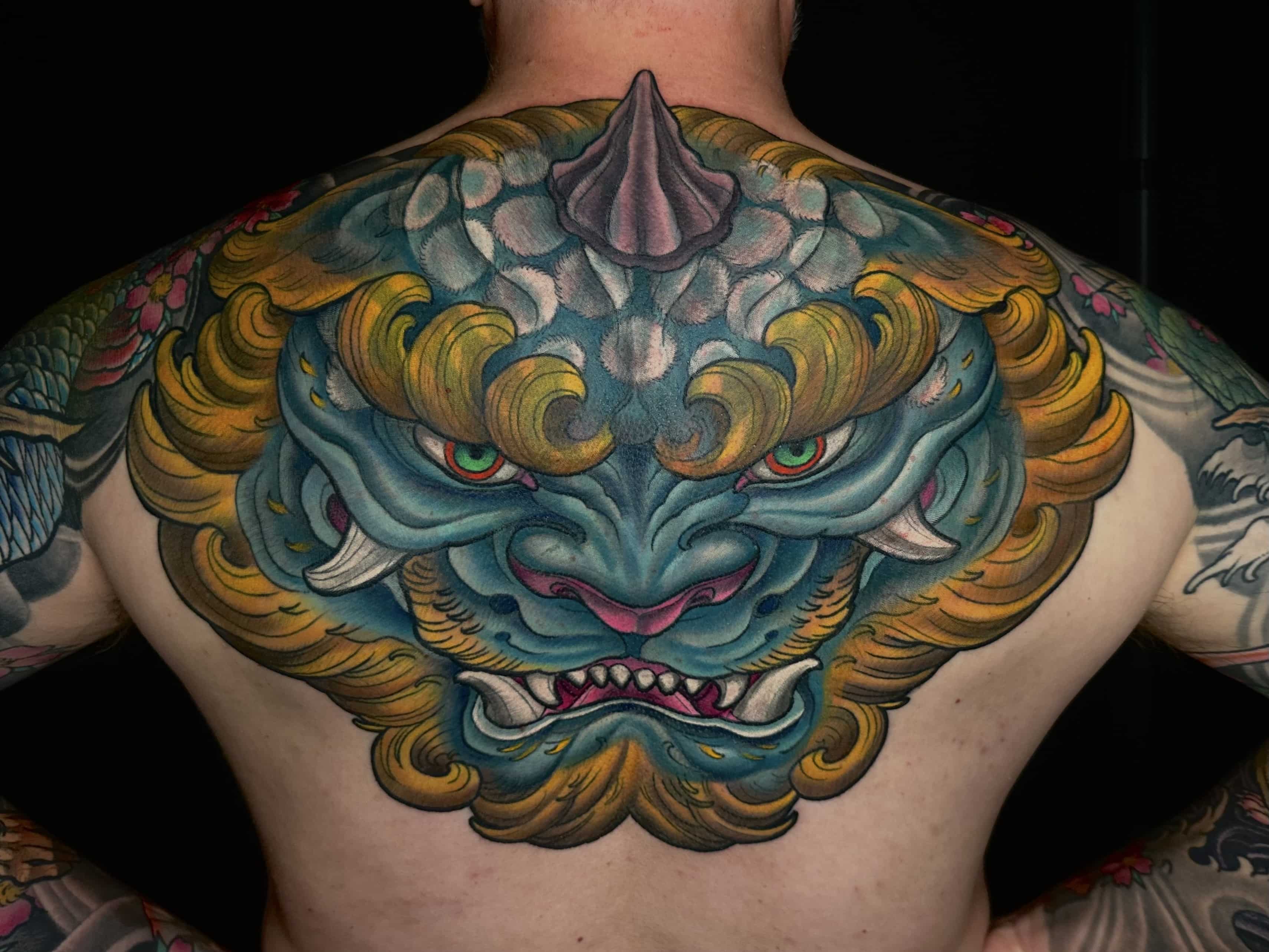
One of the questions I get asked most often is, “What is your tattoo style?” While I understand the question, I think it misses something important. My focus has never been on creating a specific style. My focus has always been on creating tattoos that work on the body. I’ve been tattooing professionally since 2000, and one thing I’ve learned is that a successful tattoo is about much more than a good drawing.
A tattoo can be beautifully rendered and still fail as a tattoo. Likewise, a tattoo can be relatively simple and become incredibly powerful because it fits the body, reads clearly, and ages well. That philosophy guides every project I take on at Remington Tattoo. If you’d like to see examples of my work, visit: https://www.remingtontattoo.com/terry-ribera-japanese-asian-work/ A custom tattoo should be designed specifically for a particular person and a particular location on the body.
The arm is different than the leg. The leg is different than the back. Every area has its own movement, anatomy, and flow. When I design a sleeve, back piece, body suit, or cover-up, I spend a tremendous amount of time considering how the eye will travel through the tattoo. Strong composition creates strong tattoos. One of the biggest mistakes I see in large-scale tattoo design is trying to fit too much
information into a single tattoo. The strongest tattoos are often the clearest tattoos. Large shapes create impact. Strong contrast creates readability. Visual breathing room allows important elements to stand out. Social media has changed the way many people view tattoos.
A tattoo may look impressive in a freshly completed photograph, but that does not necessarily mean it will age well. As tattoo artists, we should be designing for years and decades, not just for photographs.
Cover-up work has become a significant part of my career. Successful cover-ups require understanding texture, contrast, shape, and value. The goal is not to erase the past. The goal is to visually transform it. I do not copy other artists’ tattoos. Every client deserves artwork designed specifically for them. Whether I’m designing a Japanese sleeve, a biomechanical leg sleeve, an ornamental back piece, or a complex cover-up, my objective remains the same: create a tattoo that belongs on the body, communicates clearly, and stands the test of time.