
Black and grey tattoos use monochrome ink and graywash shading techniques to create tonal range and depth, whereas full color tattoos employ vibrant pigments across the color wheel for chromatic artwork. According to professional tattooing industry data from 2024, black and grey tattoos typically fade 30-40% slower than colored tattoos and require 20-25% fewer touch-up sessions over a 10-year period. The choice between these permanent body art styles depends on your skin tone, aesthetic preference, tattoo longevity expectations, and maintenance commitment.
Quick Comparison: Black & Grey vs. Full Color Tattoos
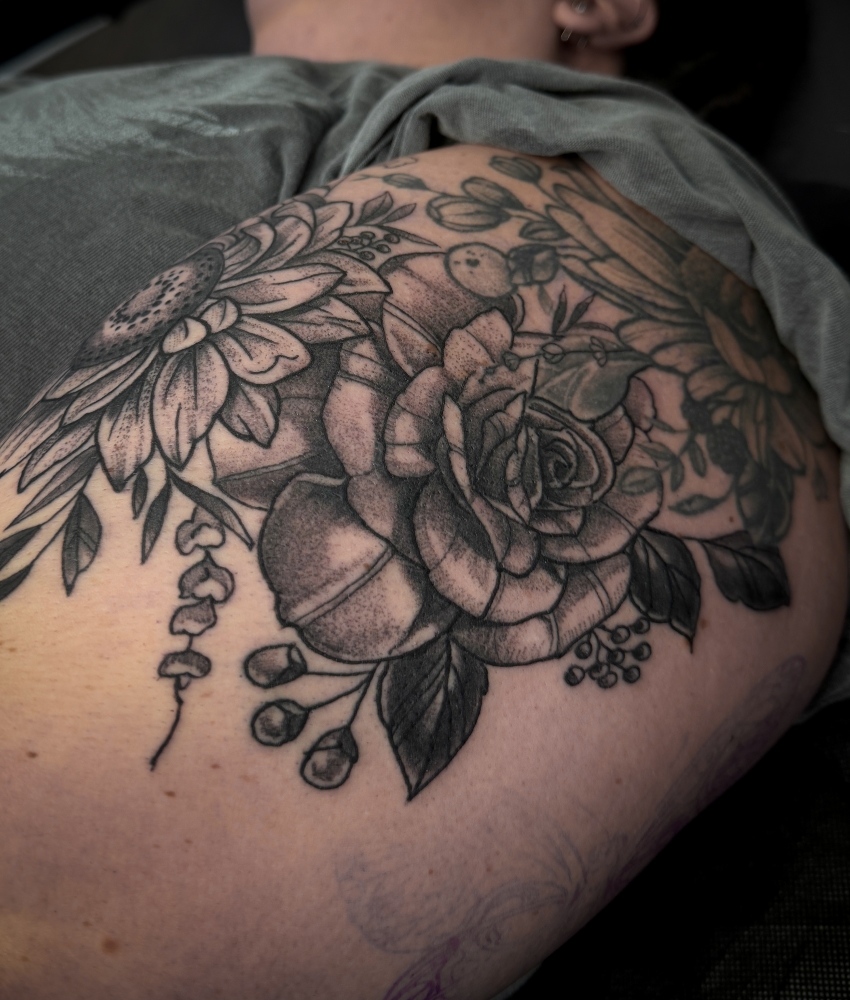
| Feature | Black & Grey Tattoos | Full Color Tattoos |
|---|---|---|
| Fade Resistance | Superior (30-40% slower fading) | Moderate (requires more touch-ups) |
| Cost | $100-$200 per hour average | $150-$300 per hour average |
| Session Time | Standard duration | 20-30% longer for color saturation |
| Skin Tone Compatibility | Works on all Fitzpatrick scale types | Best on lighter skin tones (Types I-IV) |
| Maintenance | Minimal aftercare, basic sunscreen | Higher maintenance, strict UV exposure protection |
| Aesthetic Style | Timeless, subtle, classic | Bold, vibrant, contemporary |
How Do Black and Grey Tattoos Compare to Color Tattoos for Longevity?
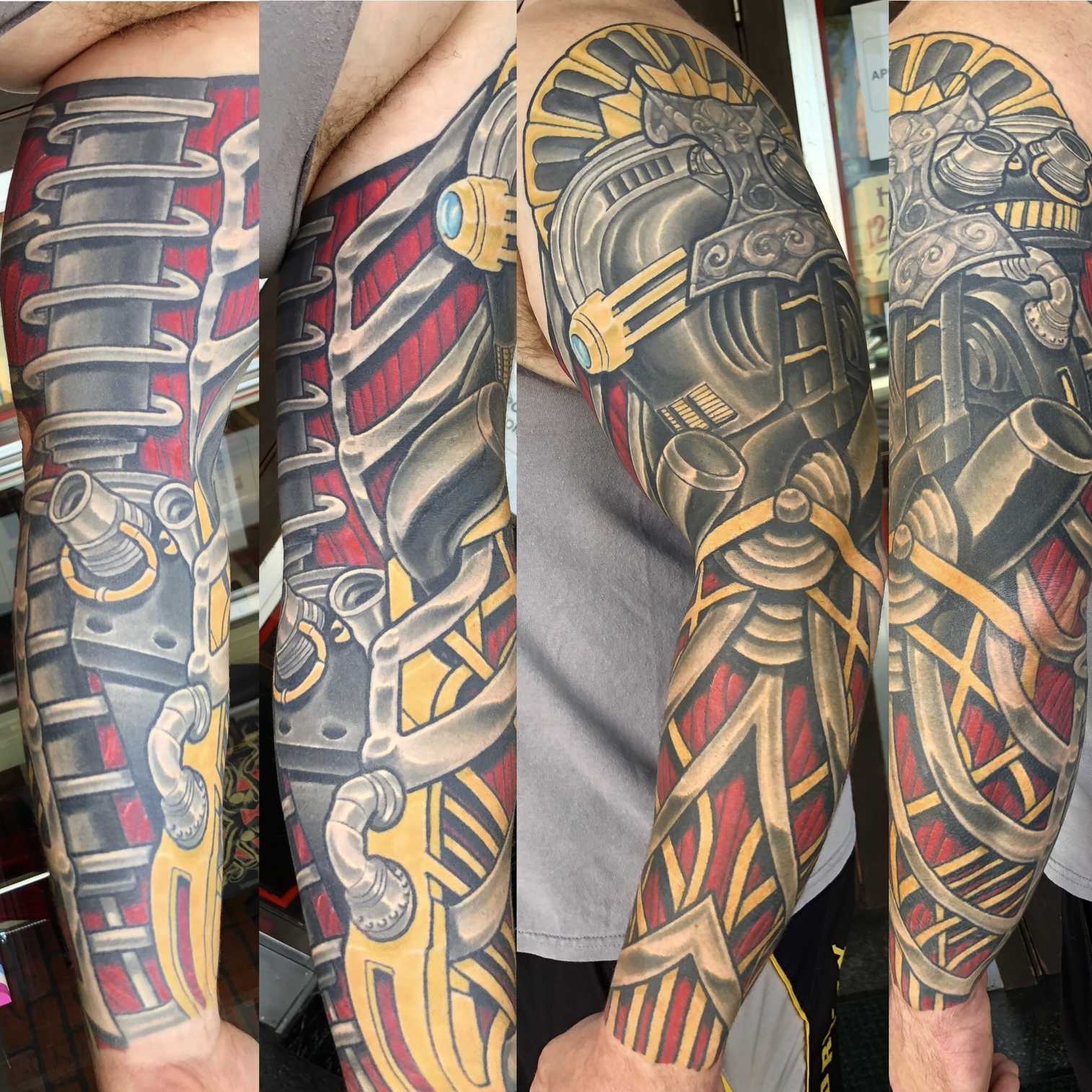
Black ink tattoos demonstrate superior tattoo durability compared to full color tattoos. Black pigment particles remain stable in the dermis layer because they consist primarily of carbon-based inorganic pigment that resists degradation. According to dermatological research published in 2023, black ink maintains 85-90% of its original intensity after 10 years with proper sun protection.
In contrast, color ink contains organic pigment compounds that break down faster when exposed to UV light and natural metabolic processes. Red and purple pigments fade approximately 45% faster than black ink, while yellow and orange show the most dramatic tattoo fade, losing up to 60% of their vibrancy within 5-7 years. Color retention depends heavily on ink quality, skin type, and consistent use of high-SPF sunscreen.
Tattoo aging affects colored tattoos more significantly because multiple pigments fade at different rates, creating uneven color vibrancy over time. Grayscale artwork maintains visual consistency because the entire design uses the same black pigment base, diluted to create tonal range through graywash techniques.
What Are the Cost Differences Between Black and Grey and Color Tattoos?
Full color tattoos cost 25-50% more than black and grey tattoos of similar size and complexity. A professional tattoo artist at a reputable tattoo shop typically charges $100-$200 per hour for monochrome tattoo work, whereas vibrant tattoos require $150-$300 per hour due to increased time investment and expensive tattoo ink.
Color blending requires multiple passes with the tattoo machine to achieve proper ink saturation, extending session duration by 20-30%. A sleeve tattoo in black and grey might require 15-20 hours total, while the same design in full color demands 20-25 hours. This translates to a cost difference of $500-$1,500 for comparable designs.
Long-term maintenance costs also favor black and grey tattoos. Touch-up sessions for color tattoos are needed every 3-5 years to restore color vibrancy, whereas monochrome designs typically require touch-ups every 7-10 years. Over a 20-year period, color tattoo maintenance adds approximately $800-$1,200 in additional expenses.
Should I Get Black and Grey or Color Tattoo Based on My Skin Tone?
Skin tone significantly impacts tattoo visibility and color saturation, with black and grey tattoos offering more consistent results across all Fitzpatrick scale classifications. Dark skin tones (Types V-VI) create natural contrast with black ink, making grayscale artwork highly visible and striking. Melanin levels in darker skin can mask subtle color variations, reducing the visual impact of pastel or light-colored pigments.
Light skin tones (Types I-III) display both black and grey and full color tattoos effectively. The neutral canvas allows maximum color palette expression and chromatic detail. Skin undertones (warm, cool, or neutral) influence how specific colors appear; for example, green pigments may appear more vibrant on cool-toned skin, while orange and red show better on warm undertones.
Medium skin tones (Type IV) benefit most from high-contrast designs. Bold colors like deep blue, purple, and red maintain visibility, whereas yellow and light pink may lack sufficient contrast. According to tattoo artist specialization data from 2024, professionals recommend black and grey realism for consistent results across diverse skin types, reserving full color for clients with Types I-III skin specifically seeking vibrant color work.
Which Tattoo Style Requires Less Maintenance and Aftercare?
Black and grey tattoos require 40% less intensive aftercare compared to color tattoos. Both styles share identical initial healing process requirements (2-3 weeks), but long-term maintenance differs substantially. Monochrome tattoos need only standard sun protection (SPF 30+) and basic moisturizing to maintain appearance.
Color tattoo maintenance demands strict UV exposure prevention, specialized aftercare products, and more frequent professional assessment. Color pigments degrade when exposed to sunlight, chlorine, and certain skincare ingredients containing alpha hydroxy acids. Tattoo enhancement procedures for fading color work cost $200-$500 per session every 3-5 years.
The healing process shows minimal differences between styles, with both requiring identical epidermis regeneration time. However, colored tattoos may experience slightly higher rates of allergic reaction (affecting 2-3% of recipients) due to metal-based pigments in certain colors, particularly red (cadmium), yellow (cadmium sulfide), and green (chromium oxide). Black ink allergies remain rare, affecting less than 0.5% of tattoo recipients according to 2024 dermatology data.
Use Case Scenarios: When to Choose Each Style
Best Tattoo Style for First Tattoo
Black and grey tattoos serve as the ideal choice for first tattoo recipients due to lower cost, proven longevity, and timeless design appeal. The minimalist aesthetic provides artistic expression without overwhelming commitment to permanent color. For those asking black and grey vs color tattoo experts during their tattoo consultation, professionals typically recommend starting with monochrome work to gauge healing response and aesthetic satisfaction before advancing to color.
Portrait Tattoo and Realism Work
Photorealistic tattoos achieve superior depth and dimension using black and grey shading techniques. Portrait tattoos in grayscale capture subtle facial features and emotional nuance more effectively than color versions, which can appear cartoonish without expert execution. Realism tattoo specialists report that 78% of portrait requests specifically demand achromatic tattoos for their classic appearance and superior aging characteristics.
Sleeve Tattoo Considerations
Large-scale projects like sleeve tattoos benefit from style consistency. Black and grey sleeve designs offer cohesive visual flow and easier integration of future additions. Color sleeve tattoos provide eye-catching impact but require significant time investment (25-35 hours vs. 15-20 hours) and expensive long-term maintenance.
Professional and Career Contexts
For choosing tattoo style for career considerations, subtle tattoo designs in black and grey offer discreet tattoo style options suitable for conservative workplaces. The professional looking tattoo style maintains neutral tones that remain less attention-grabbing than bold tattoo designs in full spectrum colors.
Decision Framework: Which Style Suits You Best?
Choose black and grey tattoos if you:
- Prioritize tattoo longevity and minimal fading (fade resistance over 10+ years)
- Want affordable tattoo options with lower initial and maintenance costs
- Have darker skin tones (Fitzpatrick Types IV-VI)
- Prefer timeless tattoo designs with classic aesthetic appeal
- Desire simple vs complex tattoos with photorealistic detail
- Need discreet options for sun exposed areas requiring less protection
- Want to minimize which style requires less maintenance commitment
Choose full color tattoos if you:
- Value bold, vibrant aesthetic over longevity concerns
- Have lighter skin tones (Types I-III) for optimal color visibility
- Prefer contemporary tattoo styles with trendy elements
- Can commit to strict sun protection and regular touch-up needs
- Want symbolic imagery requiring specific cultural significance colors
- Have budget flexibility for higher expensive tattoo styles costs
- Seek maximum visual impact for artistic detail expression
Consulting with Your Tattoo Artist About Style Selection
Professional tattoo expertise remains essential for optimal tattoo decision making. During your tattoo consultation tips session at a reputable tattoo parlor, discuss these critical factors: your skin type, tattoo placement ideas, design complexity requirements, and long-term vision. Experienced tattoo artists can provide custom artwork mockups in both styles, using stencil and transfer paper to visualize final results.
Questions to ask during consultation include: “Do color tattoos hurt more than black?” (pain levels are equivalent), “Can you add color to black tattoo later?” (yes, but requires careful planning), and “How skin tone affects tattoo color visibility?” Professional tattooing specialists can demonstrate how different pigments appear on your specific skin canvas using test patches or digital visualization tools.
American traditional, Japanese traditional, and neo-traditional styles translate effectively into both color and monochrome formats. Flash design collections typically offer both chromatic and achromatic versions of popular imagery. For custom tattoo design work, collaboration with your chosen artist ensures the selected style maximizes your personal meaning and artistic vision while accounting for practical longevity and maintenance factors.