
Yes, getting a tattoo hurts, but the tattoo pain level varies significantly based on body placement. According to dermatologist consensus (2024), least painful tattoo spots include the outer bicep, forearm, and calf, while most painful tattoo locations involve the ribcage, spine, ankle, and hand due to proximity to nerve endings and bone. Understanding the pain chart tattoo can help you choose appropriate body placement for your pain tolerance tattoo threshold.
Understanding What Determines Tattoo Pain Intensity
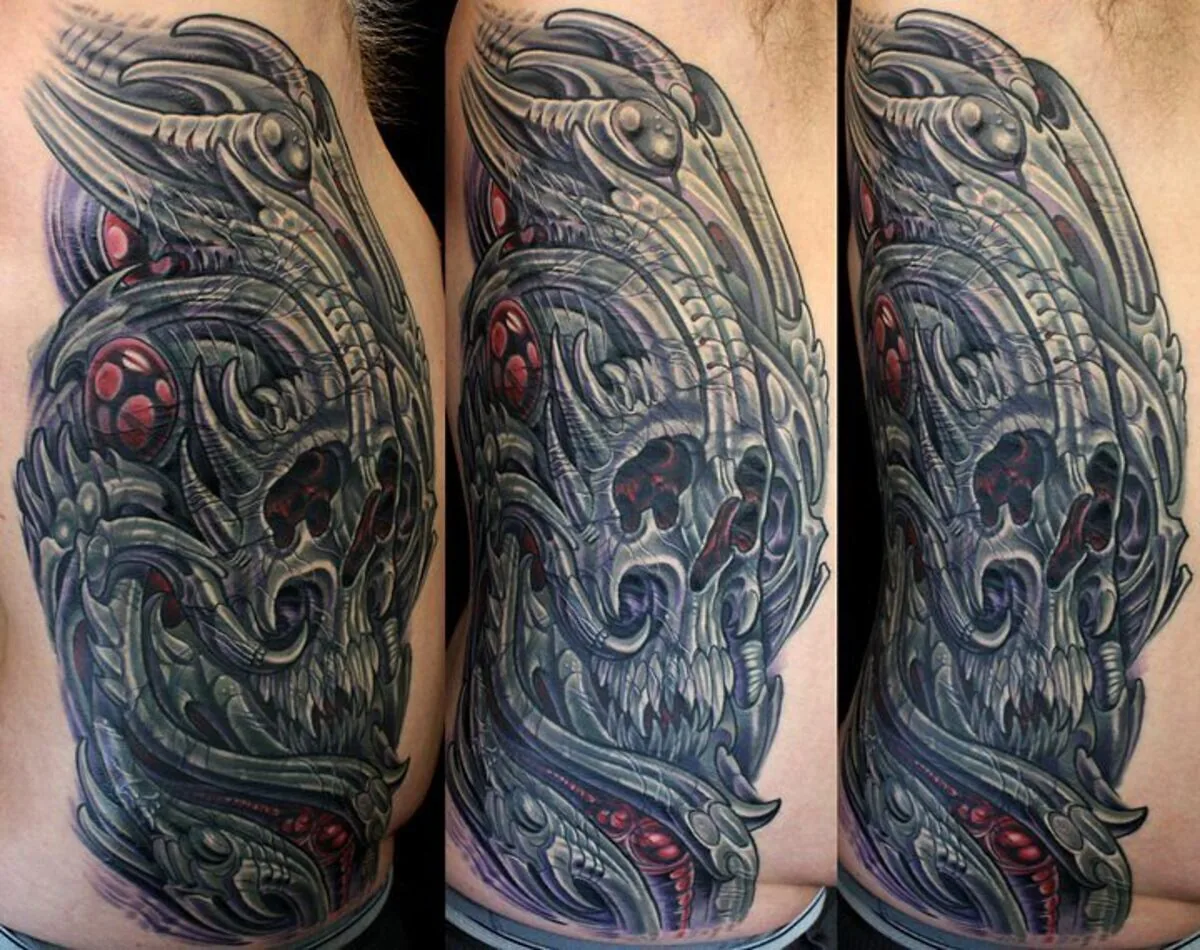
The tattoo discomfort you experience during the inking sensation depends on three anatomical factors. First, nerve-dense areas contain higher concentrations of nerve endings in the epidermis and dermis, making the needle pain more intense. The ribcage, spine, and behind ear locations feature concentrated nerve pathways that amplify the painful body parts sensation.
Second, bony areas tattoo pain increases when the tattoo needle vibrates against bones lacking muscle cushioning. The ankle, foot, shin, collarbone, and elbow rank highest on the pain intensity tattoo scale because the tattoo machine pressure transmits directly through thin skin to bone. Third, skin sensitivity tattoo responses vary based on epidermis thickness—the thinner the skin, the more severe tattoo pain registers.
The tattoo artist technique also influences tattoo hurt scale ratings. Experienced practitioners working at reputable tattoo shops minimize discomfort through consistent needle depth and optimal machine speed. Your body’s natural endorphins and adrenaline provide temporary pain relief during the tattoo procedure pain, though this effect diminishes during long tattoo sessions lasting multiple hours of pain.
Comprehensive Tattoo Pain Chart by Body Placement
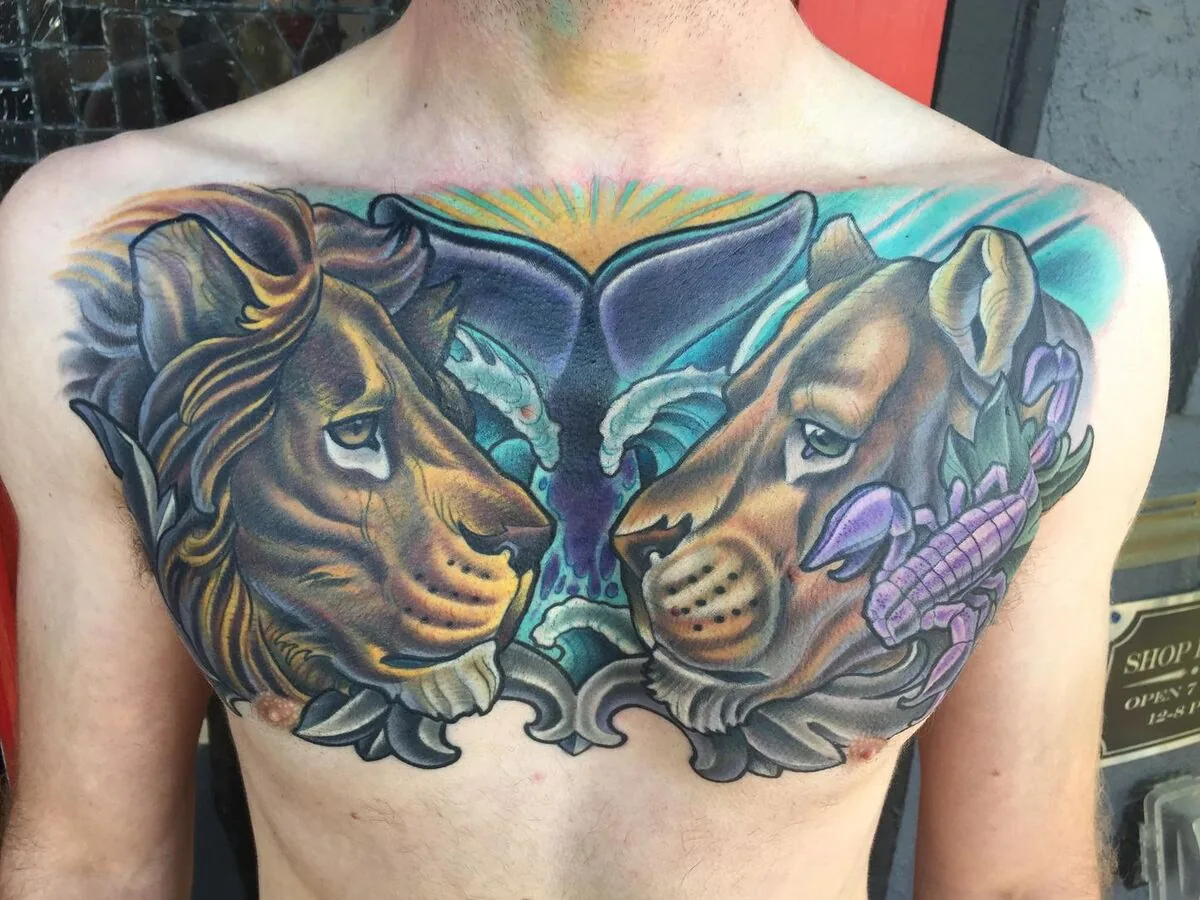
This body placement chart ranks anatomical pain points from least to most painful based on tattoo parlor reports and pain comparison studies conducted in 2023-2024:
Least Painful Places (Pain Scale 1-3 out of 10)
- Outer bicep: Thick muscle and minimal nerve endings create mild tattoo pain with a dull ache tattoo sensation
- Forearm: Moderate tissue coverage produces bearable tattoo pain described as scratching sensation
- Outer thigh: Fleshy areas tattoo with substantial fat padding register as least painful place to get first tattoo
- Calf: Dense muscle tissue results in moderate tattoo pain comparable to continuous sunburn
- Shoulder: Rounded muscle structure distributes needle pressure, causing intermittent pain rather than sharp pain tattoo
- Upper arm: Similar to outer bicep with consistent low-level discomfort
- Back (upper/lower): Large surface area with thick skin minimizes localized pain intensity chart readings
Moderate Pain Locations (Pain Scale 4-6 out of 10)
- Wrist: Thin skin over tendons creates stinging feeling tattoo and vibrating pain
- Inner bicep: More nerve endings than outer arm produce moderate discomfort level
- Chest: Variable pain—fleshy areas mild, near sternum more intense
- Hip: Bone proximity causes intermittent sharp sensations during outlining
- Stomach: Skin sensitivity increases near navel; breathing affects needle sensation
- Buttocks: Generally tolerable with occasional nerve pain tattoo when hitting certain spots
Most Painful Tattoo Spots (Pain Scale 7-10 out of 10)
- Ribcage: Consistently rated as where tattoos hurt most due to bone proximity and respiratory movement causing unbearable tattoo pain for some clients
- Spine: Direct bone contact and concentrated nerve pathways produce severe tattoo pain throughout the session
- Ankle/Foot: Minimal cushioning over bone creates burning sensation tattoo and sharp stabbing feelings
- Hand/Finger: Extremely nerve-dense areas with thin skin register as most painful places on body map pain charts
- Elbow/Knee: Joint pain tattoo intensifies when needle crosses bone and tendon structures
- Armpit: One of the most painful tattoo locations due to concentrated nerve endings and sensitive skin tattoo tissue
- Groin/Inner thigh: High sensitivity creates intense stinging and burning throughout inking process pain
- Neck/Face: Thin skin, bone proximity, and nerve density combine for extreme discomfort
- Scalp: Direct needle contact with skull bone produces unique vibrating, drilling sensation
- Shin: Bone sits immediately beneath skin, causing continuous pain rated 8-9/10
- Palm: Rarely tattooed due to unbearable pain from dense nerve concentration
Proven Tattoo Pain Management Techniques
Reduce tattoo pain through preparation and active management strategies. Numbing cream containing lidocaine applied 60-90 minutes before your appointment can decrease surface-level needle pain by 40-60% according to 2024 tattoo shop surveys. However, tattoo numbing products lose effectiveness after 2-3 hours, limiting their use for large tattoo pain management during extended sessions.
For natural pain relief for tattoo sessions, practice controlled breathing techniques: inhale for 4 counts, hold for 4, exhale for 6. This reduces adrenaline spikes and helps manage tattoo pain intensity. Avoid alcohol 24 hours before (thins blood, increases bleeding), get adequate sleep (raises pain threshold), and eat 1-2 hours prior to prevent lightheadedness.
During the session, communicate with your tattoo artist about pain levels. Most professionals allow 5-10 minute breaks during hours of pain for severe tattoo pain locations. Distraction through music, conversation, or stress balls helps manage the scratching sensation and stinging feeling tattoo experience. Avoid pain medication tattoo like aspirin or ibuprofen beforehand as these thin blood.
What the Tattooing Experience Feels Like
First tattoo pain often surprises clients—does getting a tattoo hurt differently than anticipated. Most describe the initial needle sensation as a sharp scratch or continuous cat scratch rather than stabbing. As endorphins activate after 10-15 minutes, the burning sensation tattoo may transition to a dull, hot feeling.
Does shading hurt more than outlining? Yes, typically. Outlining uses fewer needles creating precise sharp pain tattoo, while shading employs multiple needles causing broader burning and vibrating pain. Color tattoo pain vs black ink shows minimal difference—the sensation depends more on body placement pain than ink type.
Small tattoo pain lasting 20-30 minutes remains manageable for most pain tolerance levels. Large tattoo pain management strategies become essential for sleeve tattoo pain or full back tattoo pain experience exceeding 4-6 hours. Second tattoo hurt less than first for many people as they know what to expect and develop better coping mechanisms.
Who Should Prioritize Low-Pain Placements
First-timers should select least painful tattoo spots like the outer thigh tattoo pain experience, forearm, or shoulder blade to build confidence. If asking “how bad does a tattoo hurt on ribs” causes significant anxiety, choose an alternative placement—the ribcage tattoo pain management techniques help but cannot eliminate the intense discomfort.
Individuals with low pain threshold should avoid ankle tattoo pain level scale ratings of 8+, finger tattoo pain level guide warnings, and shin tattoo pain level chart red flags. Medical conditions affecting nerve pain tattoo sensitivity (fibromyalgia, neuropathy) warrant consultation with a dermatologist before booking.
Those seeking visible body art without extreme suffering can choose wrist (moderate), forearm (mild), or behind ear tattoo does it hurt at 5-6/10 level. Professional environments often require concealable placement anyway, making painful tattoo spots like hands and neck impractical beyond pain considerations.
Alternatives for Pain-Sensitive Individuals
Temporary tattoos, henna, or semi-permanent cosmetic tattooing offer body art pain-free alternatives lasting weeks to months. These avoid tattoo procedure pain entirely while providing aesthetic results. Semi-permanent ink pain registers lower (3-4/10) as needles penetrate only the epidermis rather than dermis.
For permanent ink pain concerns, consider starting with minimalist tattoo pain expectations—a small ankle tattoo pain level of 7/10 for 20 minutes proves more tolerable than committing to a full ribcage piece. You can always add more ink after experiencing your personal tattoo experience pain threshold.
Post-Tattoo Discomfort and Healing
Post-tattoo soreness persists 3-7 days as the skin heals. The tattoo healing discomfort feels like moderate sunburn with tender areas remaining sensitive to touch and clothing friction. Proper tattoo aftercare using fragrance-free moisturizer minimizes inflammation and reduces the dull ache tattoo sensation during recovery.
Comparing tattoo pain to other sensations, clients rate it similarly to: prolonged sunburn (mild locations), dental work (moderate areas), or childbirth contractions (extreme placements like ribs or spine). This tattoo pain comparison helps set realistic expectations.
Final Verdict: Is Tattoo Pain Worth It?
For most people, the tattoo discomfort level remains bearable and worthwhile for permanent body art. Strategic body placement guide selection keeps pain within tolerable ranges—70% of clients rate their experience 6/10 or below when choosing appropriate anatomical pain guide locations according to 2024 tattoo parlor data.
The pain intensity tattoo lasts only during the session (20 minutes to 6+ hours depending on size), while the artwork remains for life. If you’re asking what does tattoo pain feel like exactly and whether you can handle it, consider a small design on a least painful place like the outer bicep or calf as a test. Most people find the getting inked pain temporary and manageable, making the permanent ink pain worth the artistic result.