Before You Begin: Prerequisites Checklist
-
- Reference images: Collect 5–10 examples of the style you want, such as realism, blackwork, or fine line. Save them from Pinterest, Instagram, or tattoo conventions you’ve attended.
-
- Budget range: Set your spending limit before you research artists. Small, quality pieces often start around $150–$300, while larger custom work can run $800–$3,000 or more.
-
- Placement: Decide where the tattoo will go. Placement affects which artist fits best, since fine line forearm work requires a very different technique from a Japanese back piece.
-
- Time flexibility: Allow 1–3 weeks for booking. Some specialists have waitlists of 2–6 months.
-
- Skin tone: Look for artists who show healed work on skin tones similar to yours. Skin tone affects how colors and shading heal, and darker skin often suits high-contrast blackwork or bold traditional linework.
Step 1: Define Your Target Tattoo Style
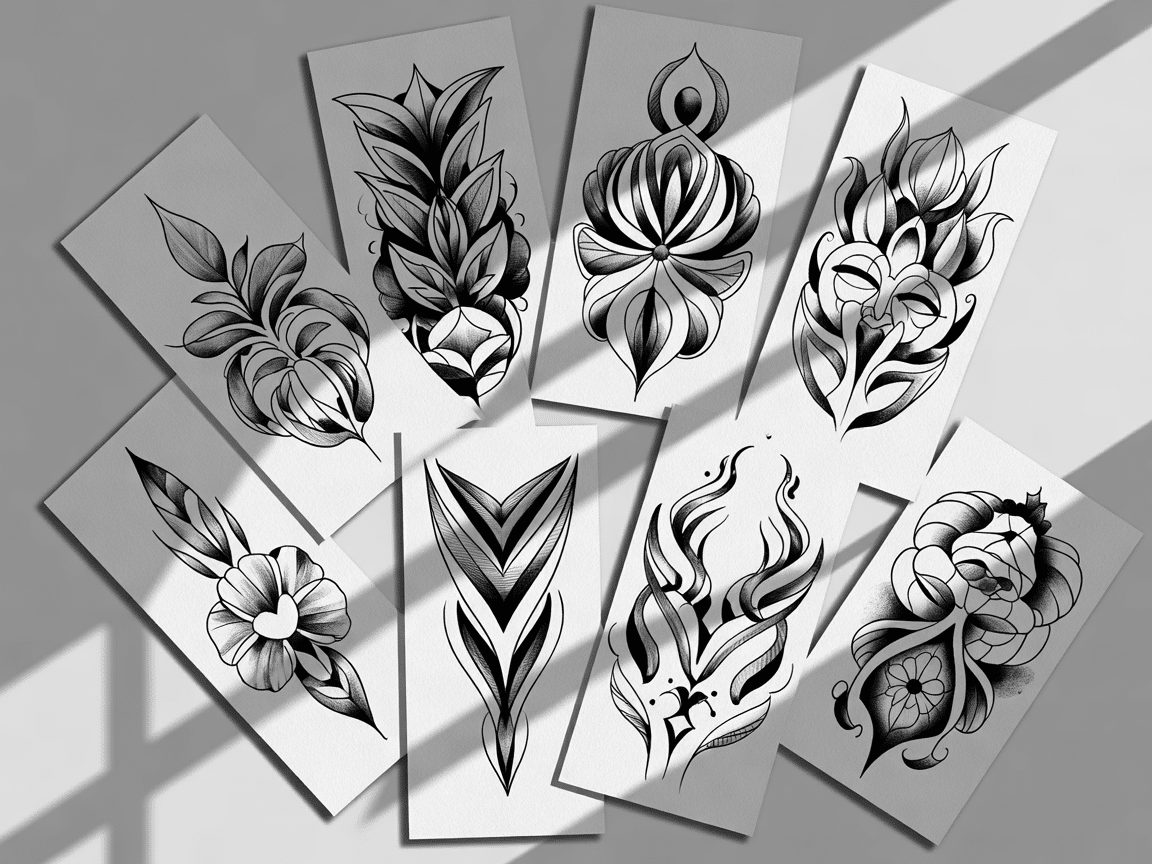 Pin down your style before you start searching. Vague requests like “something cool” lead to poor matches and wasted consultation time for both you and the artist.
Common Tattoo Style Categories
-
- Traditional: Bold lines, a limited palette (red, green, yellow, black), and classic Americana imagery like eagles, roses, and pin-ups.
-
- Neo-traditional: Traditional roots with a wider color palette and more ornamental detail, often featuring animals, portraits, or nature with decorative framing.
-
- Realism: Photo-accurate shading of portraits and nature subjects. Requires strong grayscale or color-blending skills.
-
- Watercolor: Soft color blends with few black outlines. Can fade faster, so the artist’s experience with long-lasting color matters.
-
- Blackwork: Solid black ink in geometric or illustrative patterns. Requires precise use of negative space.
-
- Fine line: Delicate, minimalist linework, often done with a single needle. Depends heavily on a steady hand.
-
- Japanese: Traditional irezumi motifs such as koi, dragons, and cherry blossoms. Large pieces usually need multi-session planning.
-
- Tribal: Bold black patterns rooted in Polynesian and other Indigenous traditions. Best done by artists with real experience in, and respect for, the culture behind the designs.
Step 2: Research Tattoo Studios and Artist Specialization
Not every shop has artists for every style. An artist who excels at traditional work may rarely do realism, and pushing a specialist outside their strengths often leads to weaker results.How to Research a Tattoo Studio’s Reputation
-
- Search for artists by style, for example “fine line tattoo artist near me” rather than just “tattoo artist near me.”
-
- Read Google and Yelp reviews for consistent mentions of quality and cleanliness. Look for patterns across at least 15–20 reviews rather than one-off comments.
-
- Browse the studio’s Instagram for recent work in your style, prioritizing posts from the last 6 months.
-
- Ask friends with similar tattoos for referrals. Firsthand accounts often reveal how an artist communicates and handles client comfort.
-
- Visit a local tattoo convention to meet several artists, compare pricing, and see work in progress.
Step 3: Evaluate the Artist’s Portfolio
How do you evaluate a tattoo artist’s portfolio? Reviewing past work is the fastest way to confirm an artist’s real skill level.What to Look for in a Tattoo Artist’s Previous Work
-
- Consistency: Many pieces in your chosen style, not one lucky example. Look for at least 10–15 comparable works.
-
- Healed photos: Ask to see healed tattoos, not only fresh ones. Healed photos show how well lines hold and how colors settle over time.
-
- Linework: Clean lines with no shakiness or blowouts. Zoom in on photos to check.
-
- Shading: Smooth gradients in realism and watercolor work, without patchy or muddy transitions.
-
- Color: Vibrant, saturated color in neo-traditional and watercolor pieces that still looks bright in healed shots.
Step 4: Check Licensing, Hygiene, and Sterilization Standards
Hygiene is non-negotiable. A legitimate artist works under a valid license or registration from the local health department.How to Check a Tattoo Studio’s Hygiene Standards
-
- Make sure the studio displays a current health department permit, usually near the front desk or workstations.
-
- Ask whether needles are single-use. Reputable studios open new needle cartridges in front of the client.
-
- Ask how reusable equipment is sterilized, including whether they use an autoclave and keep sterilization logs.
-
- Watch for glove changes and surface cleaning between clients during your visit.
-
- Ask about the artist’s training, including whether they completed an apprenticeship, which typically lasts 1–3 years.
Step 5: Book a Consultation and Ask Key Questions
A consultation, whether in person or by video call, lets you judge how well the artist communicates before you commit. Many studios offer free or low-cost consultations, often $25–$50, and the fee is frequently credited toward your tattoo.Questions to Ask Before Booking a Tattoo Artist
-
- “How many years have you worked in [specific style]?”
-
- “Can I see three recent custom designs in this style?”
-
- “What is your booking process and deposit policy?”
-
- “How do you handle touch-ups after healing?”
-
- “What aftercare do you recommend for this placement?”
-
- “Will I see a custom sketch before the appointment, or will we finalize the design that day?”
Step 6: Compare Pricing, Booking, and Aftercare Support
Prices vary by experience, location, and style complexity. Realism and Japanese work usually cost more per hour than simple blackwork because of the detailed shading and multiple sessions involved.| Tattoo Style | Typical Hourly Rate (2026) | Typical Session Length |
|---|---|---|
| Traditional | $120–$180 | 1–3 hours |
| Fine line | $100–$160 | 1–2 hours |
| Realism | $150–$250 | 3–6 hours |
| Japanese | $150–$220 | Multiple sessions |
Troubleshooting Common Tattoo Artist Selection Issues
-
- The portfolio looks inconsistent → Ask for references from recent clients in that style before booking.
-
- You can’t choose between two artists → Book consultations with both and compare communication and sketches.
-
- No health department permit is visible → Choose a different shop. This is a serious red flag.
-
- The price seems unusually low → Double-check the artist’s experience and sterilization practices, since low prices can signal shortcuts.
-
- You want a niche style like fine line → Search specifically for “fine line tattoo artist” instead of general listings.
-
- The artist is slow to respond while you’re booking → Treat it as an early warning sign for how they’ll handle questions later.
-
- Your preferred artist has a 6-month waitlist → Ask about a cancellation list, or book a smaller piece now and the larger work when a slot opens.
Next Steps After Choosing Your Tattoo Artist
-
- Confirm your appointment date and deposit in writing, by email or through a booking platform that gives you a receipt.
-
- Read the aftercare instructions before your session so you can buy any recommended products in advance.
-
- Prepare your skin: stay hydrated, skip alcohol for 24 hours before your appointment, and keep the area out of the sun for at least a week beforehand.
-
- If your artist recommends a touch-up, schedule it after the tattoo fully heals, usually 4–6 weeks. Many studios include one free touch-up.
-
- Leave an honest review and keep healed photos for your own records.